Content
Symptoms of stomach leakage after infusion
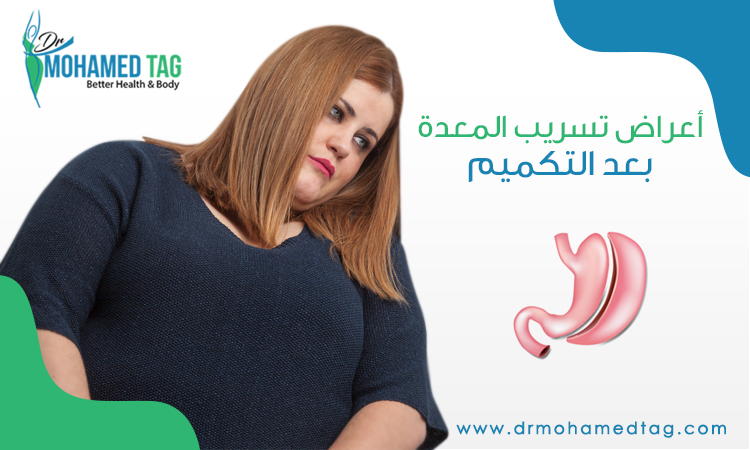
لا تختلف Laparoscopic gastric sleeve surgery does not differ from open surgery except in the technique used that guarantees safer rates to reduce the incidence of gastric leakage after the sleeve gastrectomy, but it adopts the same idea of cutting more than 80% of the original stomach size, to reduce the stomach’s capacity to absorb food, which is What makes the individual unable to eat large amounts of food at one meal as a result of feeling full after eating a small amount of food. Also, removing a large part of the stomach reduces the secretion of the appetite-stimulating hormone (ghrelin) due to the secretion of the hormone mainly from the stomach cells, a large part of which has been surgically removed Through the endoscope, the remaining part is stapled with surgical staples that heal naturally in a short time. However, there are some cases in which these staples do not heal or may not be installed correctly or as a result of poor eating habits that the patient may continue, which causes damage to the wound before it is cured.
Digestive juices begin to leak from the stomach into the abdominal cavity through these pins, which is one of the most serious complications that the patient can suffer after the gastric sleeve operation.
Symptoms of gastric leakage after gastric sleeve surgery include:
- High temperature
- stomachache
- Drainage from the wound
- Vomiting and nausea
- Pain in the left shoulder area
- Low blood pressure
- Decreased urine output
- Increased heart rate.
- Having difficulty breathing.
After the gastric sleeve operation, leakage is a complication that may occur in some by 3% at an early stage in the first week of surgery, or at a late stage after several weeks or in any period after the operation, which is the leakage of food and digestive juices, in areas The threads with which the stomach is stapled, and it occurs when the materials entering the stomach are compressed on the wound sites.
Gastric leakage after gastric sleeve surgery can be classified according to the timing of its occurrence into:
- Early gastric leakage: It appears about 1-4 days after the operation
- Median leakage: It appears about 5-9 days after the operation
- Late infusion: It appears 10 days or more after the operation
The infusion may be localized in the stomach area close to the stapling line, and sometimes it may spread to the abdominal cavity.
Diagnosis of leakage after gastric sleeve surgery
As soon as you feel any of these symptoms, it is considered a warning of the need to go to the doctor immediately to undergo an examination, and the procedures for diagnosing the leak include:
- Radiographic sequence.
- Quick CT scan
- Or swallowing a liquid dye that shows up on X-rays when it comes out of the stomach
Stomach leak treatment:
After diagnosing the occurrence of the leak, the next step depends on the general condition of the patient. If the general condition is unstable, urgent surgical intervention is required to close the leak. If the general condition is stable, conservative treatment is followed.
Treatment methods include:
- Intravenous antibiotics.
- Use of an upper endoscope to place a temporary stent to block the leakage area.
- Doing a new surgery, or absorbing any materials resulting from the leakage, to avoid any infection.
- Stop all oral meals, and a tube may be inserted to deliver food directly through the intestine until the leak has healed
Avoid gastric leak
In some cases in which the doctor may know that the patient may have a problem with wound healing, all options that can be resorted to or resort to another procedure should be discussed, such as Gastric bypass surgery
Choosing a doctor is an important part of avoiding all complications of the gastric sleeve and gastric bypass surgery, and Dr. Mohamed Tag is considered the best experienced doctor to perform obesity surgery safely.

